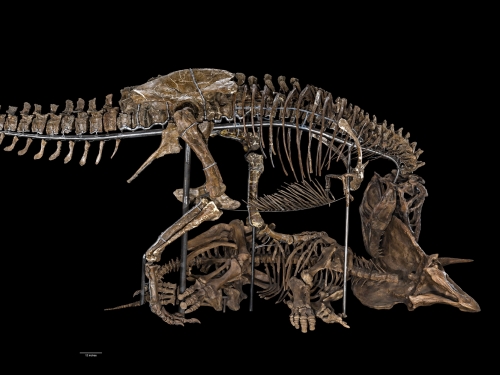
“The David H. Koch Hall of Fossils—Deep Time”
05.16.2019
Media Kit
Director: Kirk Johnson
Total full-time employees: 362
Annual budget (federal and trust) FY 2022: $121.9 million
Approximate number of artifacts/specimens: 148 million
Total museum size: 1.32 million square feet
Public space size: 325,000 square feet
Visits (2022): Approximately 4 million
Website: naturalhistory.si.edu
The Smithsonian’s National Museum of Natural History connects people everywhere to Earth’s unfolding story. Its researchers, scientific collections, free exhibitions and educational programs address fundamental questions, spark curiosity and illuminate the beauty and wonder of the planet. The formal title for Kirk Johnson is Sant Director, in recognition of an endowed gift from the philanthropists, Roger and Vicki Sant.
The scientific research staff is organized into seven departments: anthropology, botany, entomology, mineral sciences, invertebrate zoology, paleobiology and vertebrate zoology. Museum programs address current topics, such as biological diversity, global climate change, molecular systematics for enhancing the understanding of the relationship between living things, ecosystem modeling and the documentation and preservation of human cultural heritages.
In 2022, the museum’s scientific staff authored 614 scholarly publications.
The museum holds over 148 million objects and specimens, making it the largest natural history collection in the world. Approximately half of the collection is maintained at the Smithsonian’s Museum Support Center in Suitland, Maryland, which provides state-of-the-art conditions for storage and conservation of collections as well as a library and advanced research facilities.
The museum offers a variety of educational programs for people of all ages. Visitors can engage onsite and online with scientists, collections and research that happens in the lab and in the field.
The museum’s innovative learning space, Q?rius, The Coralyn W. Whitney Science Education Center, inspires students, families and educators to explore their world through a scientific lens by directly interacting with science experts and more than 6,000 specimens, including bones, minerals and fossils. School programs aligned with the Next Generation Science Standards are available for K–12 student groups on weekday mornings by reservation.
The museum’s educators have also developed a new and responsive approach to teachers’ expressed needs for age-appropriate, accessible science content in response to the national education crisis brought on by the COVID-19 pandemic. The award-winning “Transmedia Bundles” are nine extremely rich collections of engaging and accurate digital experiences and content resources, each thematically aligned to core science concepts and skills. A blend of standards-aligned live interactive virtual programs and asynchronous resources, they are a new model for meeting the needs of K–12 teachers and students throughout the country and around the world. Virtual programs include the Smithsonian Science How webcasts and webinars that offer students online access to museum experts through interactive, television-style programs.
The award-winning Youth Engagement through Science (YES!) internship program pairs high school students with Smithsonian experts. Throughout the summer, students and mentors work together inside laboratories and out in the field exploring important scientific questions.
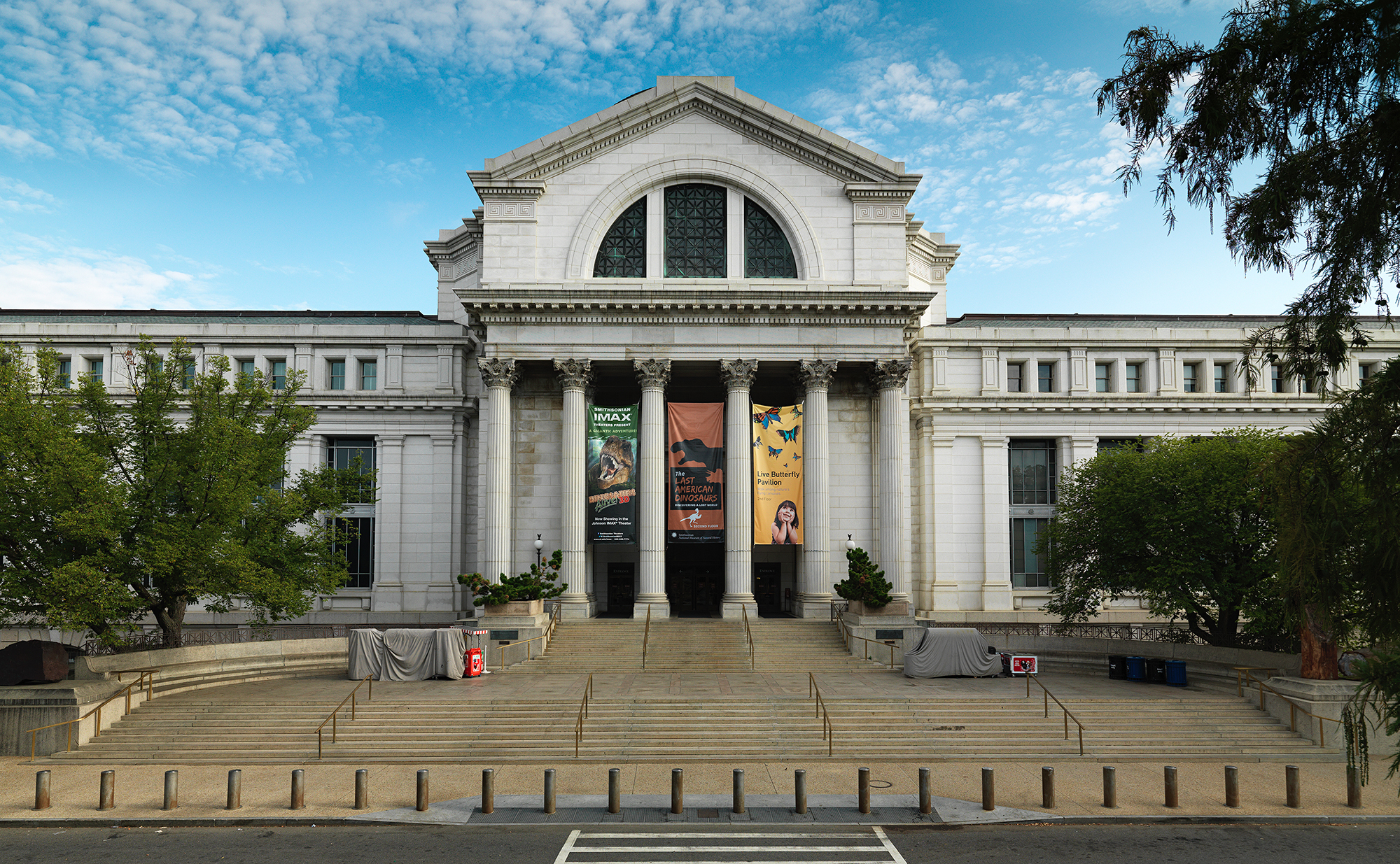
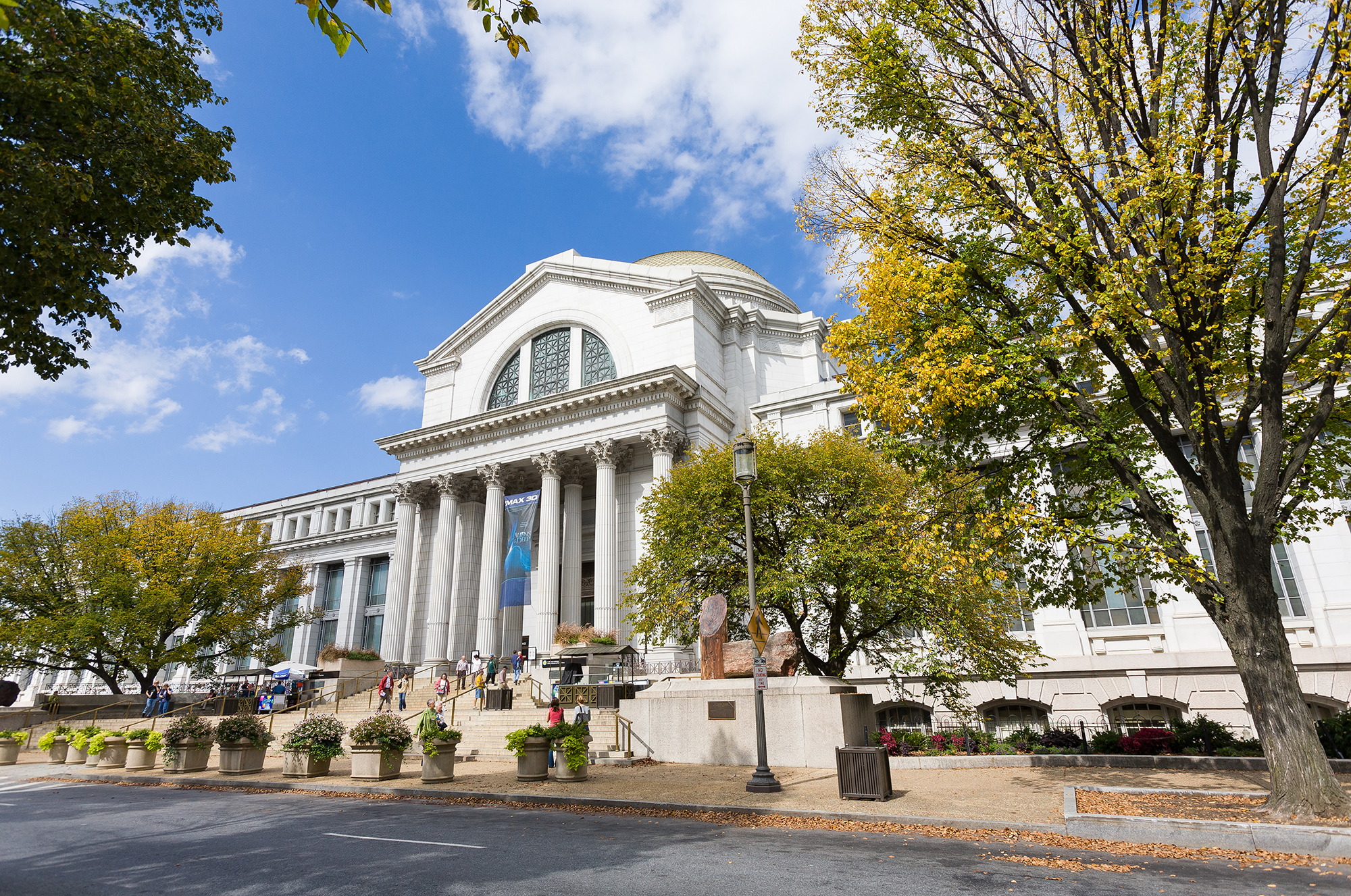
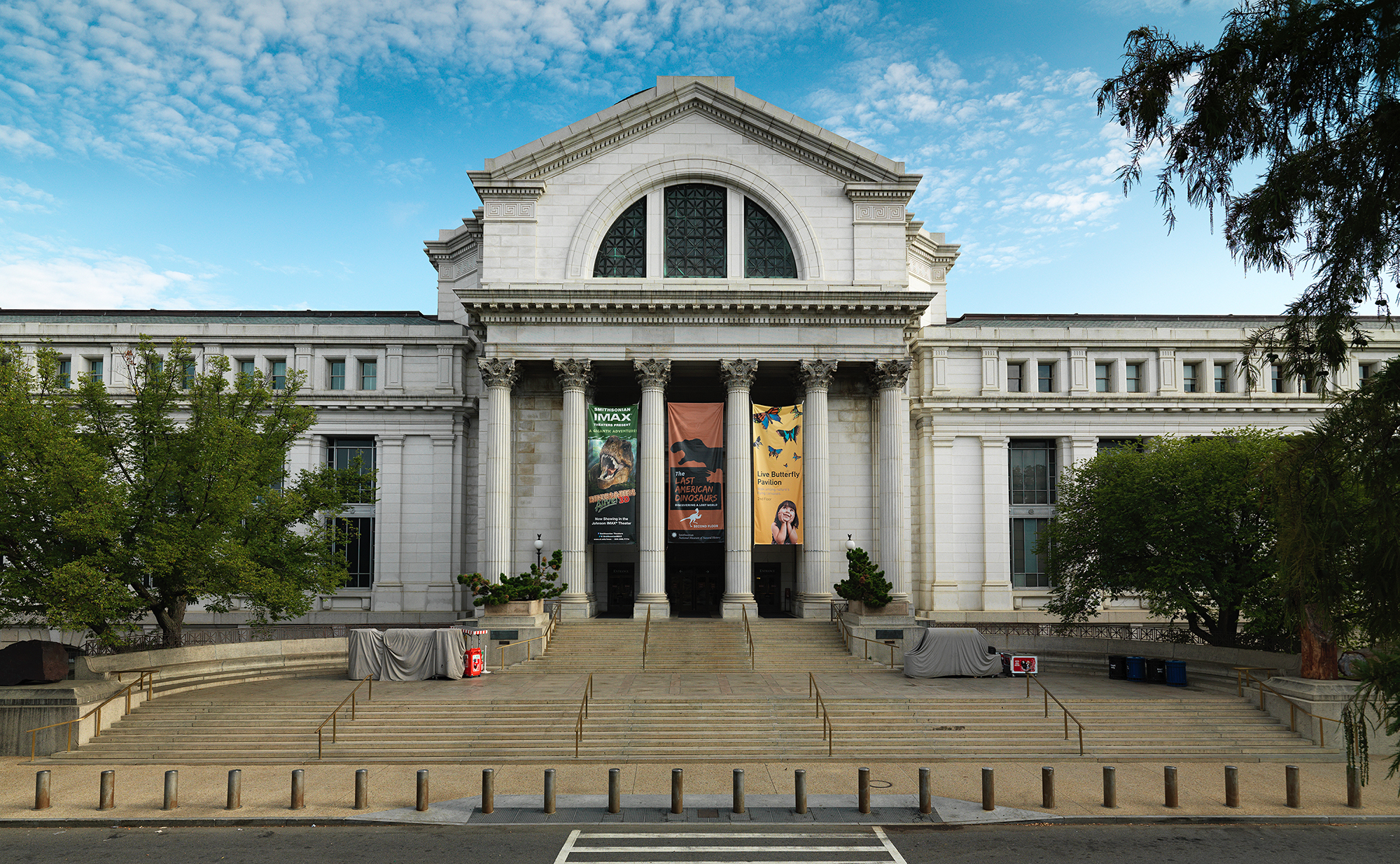
The Smithsonian’s National Museum of Natural History, located at 10th Street and Constitution Avenue N.W., Washington, D.C., is one of the most visited natural history museums in the world. Opened in 1910, the museum houses the world’s largest collection of natural history specimens and artifacts. The museum is open daily (closed Dec. 25) from 10 a.m. to 5:30 p.m. Admission is free. For more information, visit the museum on its website and on Facebook, Twitter and Instagram.
# # #
SI-173-2023
Randall Kremer
202-360-8770
Ryan Lavery
202-633-0826
Jack Tamisiea
202-633-0218